Foundation of the Regiment
“To save lives and get a job done.”
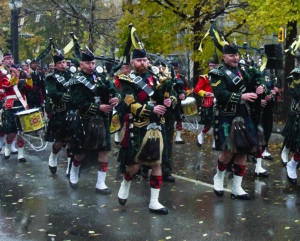
Kilts and bagpipes are merely the distinctive symbols of a tradition rooted in Canadian military history for over 200 years – the Highland regiment. Since Confederation, the Highland Regiment has been most closely identified with the militia. In 1856 a Highland Rifle Company – forerunner of the present regiment – was formed in Hamilton.
Between 1880 and the First World War, as part of this heightened self-consciousness by Scots-Canadians and a rising interest in militarism generally, several kilted regiments were raised in cities across Canada. Hamilton had had a kilted military presence since 1856, when James Aitchison Skinner organized a Highland company; it later became a company of the 13th Royal Regiment, and eventually the RHLI.
The “idea” for a full Highland regiment in Hamilton “first took shape among the members of the St. Andrew’s Society [of which James Chisholm was the long-time treasurer] and the Sons of Scotland [of which he was also a member].” Late in 1902, meetings were held and prominent members of the city’s Highland-Canadian community were asked to “take hold of the matter.” Lawyer James Chisholm (president of the Liberal Party of Hamilton) and his legal partner, William Logie (a captain in the XIII Regiment), took a leading, perhaps predominant, role in organizing locally and in lobbying Ottawa. With the support of local Scottish organizations and clan societies, a deputation was sent to Ottawa bearing a petition to the Minister of Militia. The Liberal minister, Sir Frederick Borden, was less than enthusiastic about the potential cost and the Highland character of the proposed unit (he wanted the militia in a common uniform). Col. W. D. Otter, whom Logie canvassed for his opinion, was sceptical of the group’s ability to “get either the officers or the men and if we got both [of] these we could not get the money . . .”
Hamilton’s Scottish-Canadian elite moved quickly to fill the ranks of the officer corps and to raise the necessary funds to outfit the regiment in full Highland dress. As a result of broad community support and effective political organization, the Regiment was formed on 13 September 1903 and gazetted three days later as the 91st Regiment Canadian Highlanders. In winning the day, Chisholm and Logie used every reasonable tactic at hand. They were particularly adept at applying pressure at the highest possible level, usually the minister, thus circumventing the normal channels of the Department of Militia and Defence.
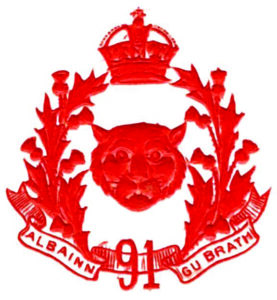
The Regiment established its Canadian character by its choice of name, “Canadian Highlanders,” and affirmed its Scottish-Highland roots with its Gaelic motto – Albainn Gu Brath (Scotland Forever). Although there have always been individuals with ties to Scotland and Scottish/Highland forebears, the Regiment and its great symbols quickly came to represent the face of Canada, whether in 1903 or in 2026.
The First World War
Like the militia generally, the Regiment has suffered or prospered according to the dictates of government policy. Peace, fortunately, has been the norm during most of the Regiment’s history. Thus, the contours of the unit’s weekly and seasonal existence have been marked mainly by a routine of ceremony, drilling, lectures, training, exercises, administration, and recruitment, to say nothing of the rigours of mess life and an always full Regimental social calendar.
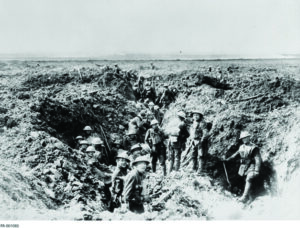
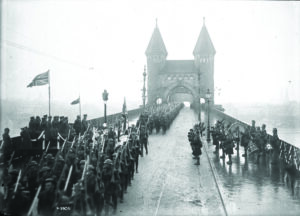
During the First World War, the Regiment acted as a recruiting depot, providing 145 officers and 5,207 other ranks for service in the numbered battalions of the C.E.F., especially the 16th, 19th, and 173rd Highlanders. The latter was broken up for reinforcements, much to the chagrin of its men. Although the Argylls perpetuate both the 19th and the 173rd, it is the former that provides the Regiment its most intimate connection with the Great War. The 91st gave the 19th all four of its commanding officers and its pipe major – Charles Dunbar, D.C.M., a pipe major of international renown – as well as its command structure and about 30 per cent of its original establishment. As part of the 4th Infantry Brigade, 2nd Division, the 19th went from the mud and misery of Salisbury Plain, England, to the mud and blood of Flanders. The Battalion saw its first action at St Eloi in April 1916 and went on to distinguish itself on the Somme, at Courcelette, Vimy Ridge, Hill 70, Passchendaele, Drocourt-Quéant, and the pursuit to Mons, to name but a few. In December 1918, its pipe band played a victorious Canadian Corps across the Rhine and into Germany: this is one of the memorable pictorial representations of Canada’s military past. All told, the 19th and the various machine-gun companies and 3rd Machine-Gun Battalion lost 1,374 soldiers and had over three times that number wounded.
The 19th Battalion’s historian, Dr David Campbell, has written:
“In all, the battalion earned 18 Battle Honours in operations stretching from spring 1916 to the end of the war. Ten of these honours were selected for emblazonment on the Colours of the regiment, perpetuating the 19th Battalion’s legacy, the Argyll and Sutherland Highlanders of Canada (Princess Louise’s).
From mobilization in 1914 to demobilization in 1919, 118 officers and between 4,731 and 5,004 other ranks passed through the 19th Battalion. Of these men, 3,076 were casualties, including 737 fatalities (all ranks). Commenting on this remarkable turnover, battalion veteran R.H. (Harry) Neil later declared, “[T]he battalion had changed over in personnel, almost four and one half times…. But one thing had not changed – it was the same old 19th.” [The casualty rate: 60.1% with 5,004 other ranks and 118 officers.]
… in fact, much had changed since the 19th Battalion first assembled in Toronto in 1914. Experience and training had transformed its personnel from amateur volunteers into battle-hardened professionals. It is highly unlikely that the unit that landed in France in 1915 would have performed as effectively during the Hundred Days as did the battalion that had come through the crucible of St Eloi, the Somme, Vimy, Hill 70, and Passchendaele. New reinforcements were brought up to speed by rigorous training as well as by cadres of veteran officers and other ranks who served long enough to impart their skills, knowledge, and unit culture to newcomers. These factors helped maintain the battalion’s efficiency and much of its social dynamic, even when many of the faces of its personnel changed.
The Regiment was less than two decades old, and a significant part of its history had been written in the blood of young Canadians.
The Inter-War Period
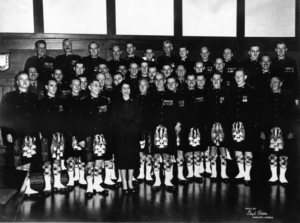
The Regiment went through the inter-war years, endured the general militia reorganizations, and prospered. Amalgamation with the 3rd Machine Gun Battalion, CMGC (less C Company of that unit) occurred on 15 Dec. 1936. Together they formed The Argyll and Sutherland Highlanders of Canada (Princess Louise’s) (Machine Gun). The (Machine Gun) suffix was dropped on 1 February 1941; from which date the Regiment has maintained its current designation. Not only was the inter-war unit large in numbers (rarely below 400, at times exceeding 600), it benefitted from a considerable cadre of First War veterans of all ranks. Tradition continued to play a pre-eminent role, and the Regiment enjoyed a visible civic profile through weekly parades on the streets, a close attachment to the city’s elite, and the activities of three highly active bands: pipe (still under Dunbar) brass, and bugle.
The Second World War
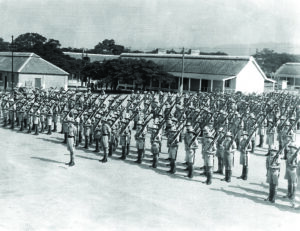
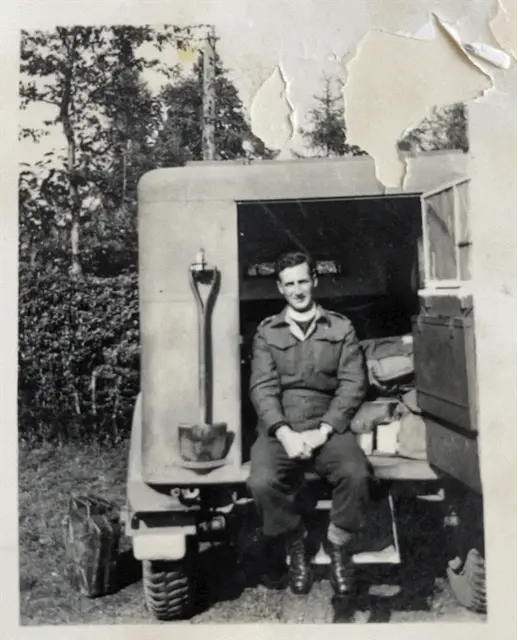
When the drums of war beat again in 1939, the Argylls were ready for mobilization – the structure, the men, and the numbers were all there – but for little else. Prior to mobilization in June 1940, there were occasional calls out. Argylls in kilts with Ross rifles and fixed bayonets, for instance, performed guard duty on the local canal and electrical facility. The problems of active duty were myriad: First War tunics and kilts for uniforms, Ross rifles for weapons, hollow pipes and bricks for the mortar platoon, and too many people with too little training.
The first months of the war were spent in and around Niagara-on-the-Lake, a dreary round of guard duty on the Welland Canal and local power facilities. There was little training and almost no new equipment. The first Bren guns, for example, arrived in December 1940. But there was critical time for setting the foundations for excellent administration and for addressing the usual range of problems associated with turning civilians into soldiers. It was during this period that the notorious “Mad Five” went AWOL, made their way to the Sunnyside amusement park in Toronto, and telegraphed the CO: “Having a great time. Wish you were here.” In May 1941, the 1st Battalion entrained for Nanaimo, B.C., where it underwent several tedious months of route marches alternating with inspections.
September 1941 to May 1943 brought a sojourn in the sun – garrison duty in Jamaica. During this period, the reality of war was brought home by the fate of the Winnipeg Grenadiers (which unit the Argylls replaced in Jamaica) in the battle of Hong Kong (8–25 December 1941), and of the RHLI (a sister unit from Hamilton) at the Dieppe raid (19 August 1942). It would have been easy for the Battalion to languish there, rum-sodden. Instead, under the command of LCol Ian Sinclair, a stern and decorated First War veteran, the unit received new weapons and modern equipment, improved its administration, and began a complete program of small unit tactics, fitness, and training of all sorts. In addition, the Battalion acquired cohesiveness at all rank levels, an attainment impossible to achieve completely in other circumstances.
The men of the 1st Battalion returned to Hamilton in May 1943 as trained soldiers. In preparation for overseas service, it lost its CO and all senior officers as well as all senior NCOs except its by-now legendary RSM: Peter Caithness McGinlay. In June, the battalion made its trek across Canada to embark for the United Kingdom.
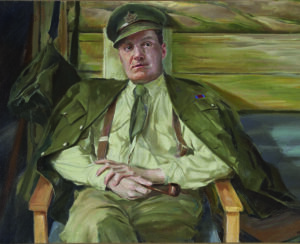
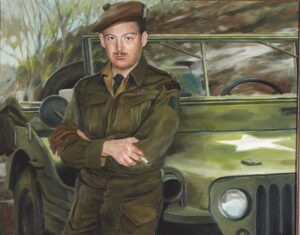
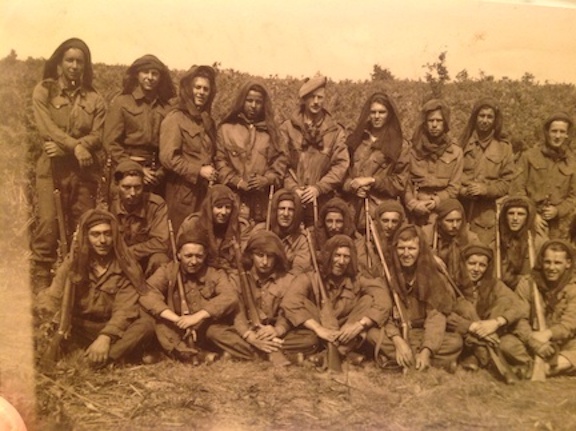
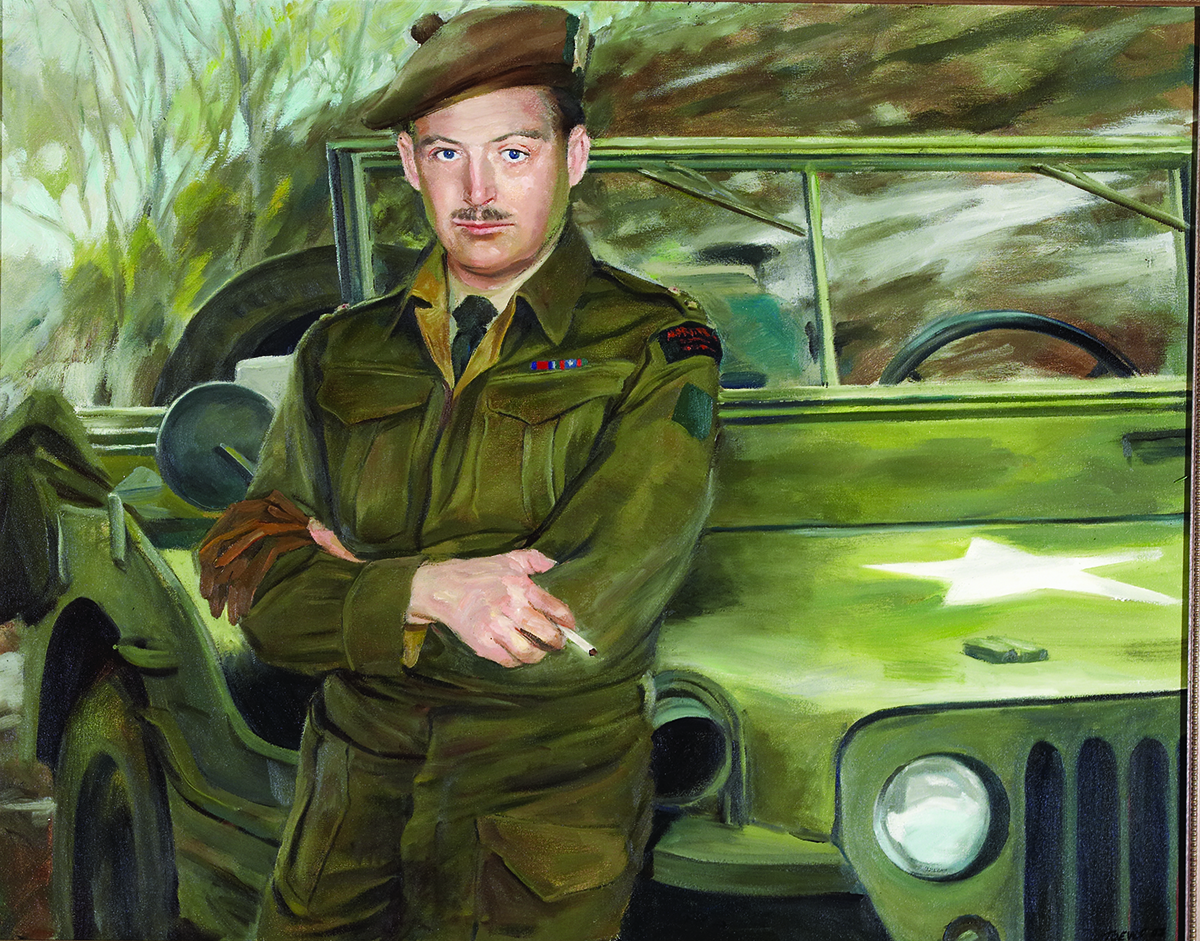
In August 1943 the unit passed inspection in England and joined the 10th Brigade, 4th Armoured Division. During this period, the door to and from the battalion became a revolving one. The war diarist took note of the changing composition: “Stalwarts from all parts of the Dominion, with still a few from ‘south of the border’, of every race, creed and condition have been poured into the melting pot from which is brewed soldiers and Argylls.” It was true. The first Black Argyll came to the unit in the United Kingdom as did more Indigenous Argylls who joined the ones already there. Advanced training, specialized courses, and schemes up to the divisional level became the order of the day, all of which were overseen by the new CO, J. David Stewart, the son of a premier of Prince Edward Island. The Argylls’ affection for him was instantaneous, broadened during training, and deepened with the experience of battle. His intuitive sense of battle (which could not be taught), his cool imperturbability, and his refusal to fight according to preconceived notions brought dramatic results.
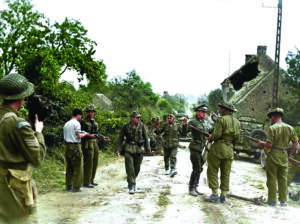
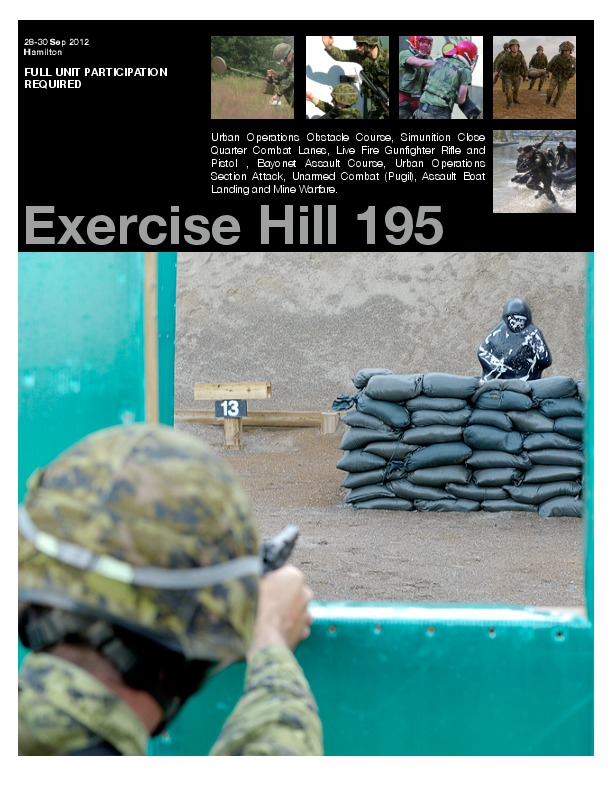
The unit’s first actions in early August 1944 were small successes fought along the road to Falaise. The first major action, Hill 195 on 10 August, was a brilliant and unorthodox success; Stewart and his Scout Platoon led the Battalion single file through the darkness of night and German lines to capture the hitherto unassailable strong point.
Historian LCol Brian Reid considers “Dave Stewart’s infiltration … onto Point 195” as one of the examples of “the warrior spirit.” His other examples are small-scale by military standards of organization – the section or platoon level. The Argyll action at 195 was at a battalion level with four rifle companies, the Scout Platoon, the Anti-Tank Platoon, the Mortar Platoon, and others in support. Historian Terry Copp considers Stewart’s leadership, along with that of Lt-Col “Swatty” Wotherspoon of the South Alberta Regiment, “outstanding.” Historian LCol John A. English described the Argylls’ action at 195 as “probably the single most impressive action of [Operation] ‘Totalize.’” There are plenty of plaudits for the intrepid Argyll success at 195, and a portion accrues to Capt Johnston and the Scouts.
At Hill 195, the Argylls excelled in the imaginative, unorthodox, daring, and disobedient – Lt-Col Stewart devised his own plan of night-time infiltration rather than an immediate frontal assault. What made the audacious plan possible? It was a potent combination of Stewart’s initiative and the confidence he instilled in Argylls at all rank levels; the prowess and training of the Scout Platoon; the leadership of officers and NCOs at the company and platoon levels; and the “warrior spirit” of well-trained soldiers confident in their leaders.
Moreover, the last-minute Argyll attack occurred against the backdrop of catastrophic failure. On 9 August, a combined force of British Columbia Regiment (BCR) tanks and Algonquin Regiment infantry attacked Hill 195 – “an obvious strongpoint … the highest ground between Caen and Falaise.” The battle group got “off track” and was decimated by the Germans by the late afternoon of the 10th. The BCRs lost 47 tanks, 112 men killed and wounded, and 34 POWs; the Algonquins lost 128 killed and wounded and 45 POWs. By comparison, Stewart’s Argylls had 6 killed and 8 wounded.
Less than ten days later, in the Falaise Gap, a battle group comprised of B and C companies of the Argylls, and a squadron of South Alberta Regiment tanks captured St Lambert-sur-Dives and held it for three days against desperate counterattacks.
Night over daylight fighting; infiltration rather than frontal assault; innovation when orthodoxy failed; superb leadership; doggedness; great spirit; excellent administration; and close cooperation with the SARs (whom the Argylls revered above all others) – these were the benchmarks of Argyll success, and they were all evident in that first month of battle.
Of the experience of battle, Cpl H. E. Carter wrote to his mother on 13 August: “That life in the front is not fun, not glamorous -– it’s dirty, and fierce and anyone that says they’re not scared is crazy. But I’m not going to talk much about that. We try and keep our spirits up, joke and enjoy yourself under fire and we do an exceptionally good job of it.” That very same day, Capt Mac Smith put it best when he wrote to his wife: “The men are simply wonderful. They have done well, and are getting better. They grumble . . . and dig, and advance and dig, and advance. They stand shelling mortaring and occasional bombing, and then stand up in their trenches and ask where the hell the food is.”
These first weeks of battle gave the Argylls a “hard core of cynicism and self-satisfaction.” The depth of the former was best revealed when Stewart wrote of trying to protect his men “from our two enemies, the Germans and our own Higher Command.” He saw his trust as “to save lives and get a job done.” Like all infantry battalions, the Argylls suffered “inescapable losses,” but the Battalion was “never shattered in battle.”
Through Moerbrugge, the Scheldt, Kapelsche Veer, the Hochwald Gap, and Veen to Friesoythe, the Kusten Canal, and Bad Zwischenahn, the Argylls were successful against the enemy – but there was more. Their losses were the lowest in the 10th Brigade and their successes were constant. Cynicism is a soldier’s rightful lot and the Argylls never lost it. Self-satisfaction came with and was sustained only by success – despite the successive wholesale turnovers in the rifle companies. Neither quality was lost during ten months of battle. It made them, as Capt Claude Bissell once remarked, “a happy regiment and a formidable one in action.”
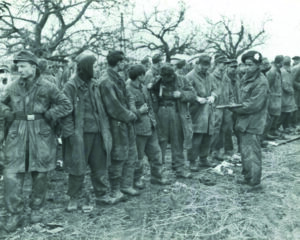
That said, as Capt Sam Chapman (C and D companies) wrote, it is a history “bought by blood.” During the Second World War, approximately 3,300 men served in the Argylls: 288 were killed in action; 808 were wounded; 72 were prisoners of war; and over 200 were injured or left because of illness, for a total of 1,638 (or 41%) of those who served.
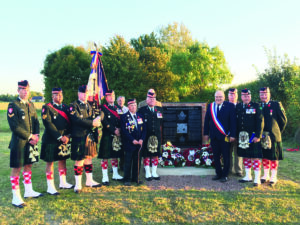
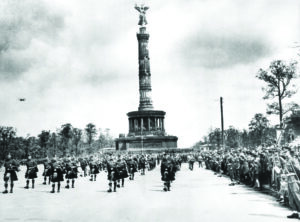
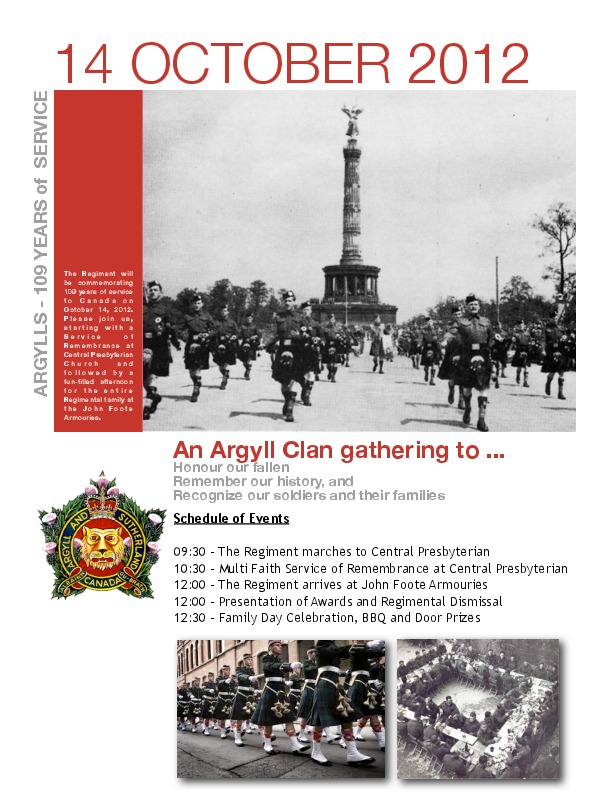
At the war’s end, the 1st Battalion provided the headquarters and one rifle company for the Canadian Berlin Battalion, a composite battalion that represented the Canadian Armed Forces in the British victory celebrations in Berlin in July 1945. Here again, the Argylls provided a memorable and iconic pictorial legacy of Canada’s participation in war as its Pipes and Drums led the Canadian Berlin Battalion as Canada’s representatives in the victory parade. The Battalion returned to Hamilton in January 1946, where it was dismissed.
Post-war
The Regiment now reverted to its traditional peacetime role with the primary reserves. By the early 1960s, the reservoir of veterans had dried up. Numbers shrunk with the various changes in defence policy and equipment became outdated. By the 1980s, the worst was over. Numbers have increased and there is new equipment. With the Total Force concept came a renewed emphasis upon individual and collective training, and the professional development of soldiers whatever their rank. While retaining its Highland traditions, the unit reflects the modern face of Canada, and Argylls serve Canadians whether combating natural disasters at home (66 deployed during the 1998 ice storm and many volunteered during the Red River flood) or augmenting UN or NATO deployments abroad. In the 1970s and 1980s, five Argylls served in Cyprus and another three in Germany, but it was the 1990s and the first decade of the 21st century that saw the Regiment’s operational role increase dramatically.
Former Yugoslavia and Afghanistan
Events in the former Yugoslavia made sufficient demands upon the Canadian Armed Forces that maintenance of its ongoing commitment necessitated the implementation of a total force concept. As such, the primary reserves augmented Canadian deployments, thereby increasing the role of the reserves and 26 Argylls deployed there.
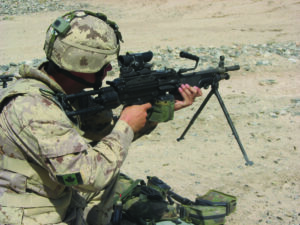
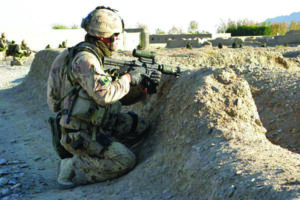
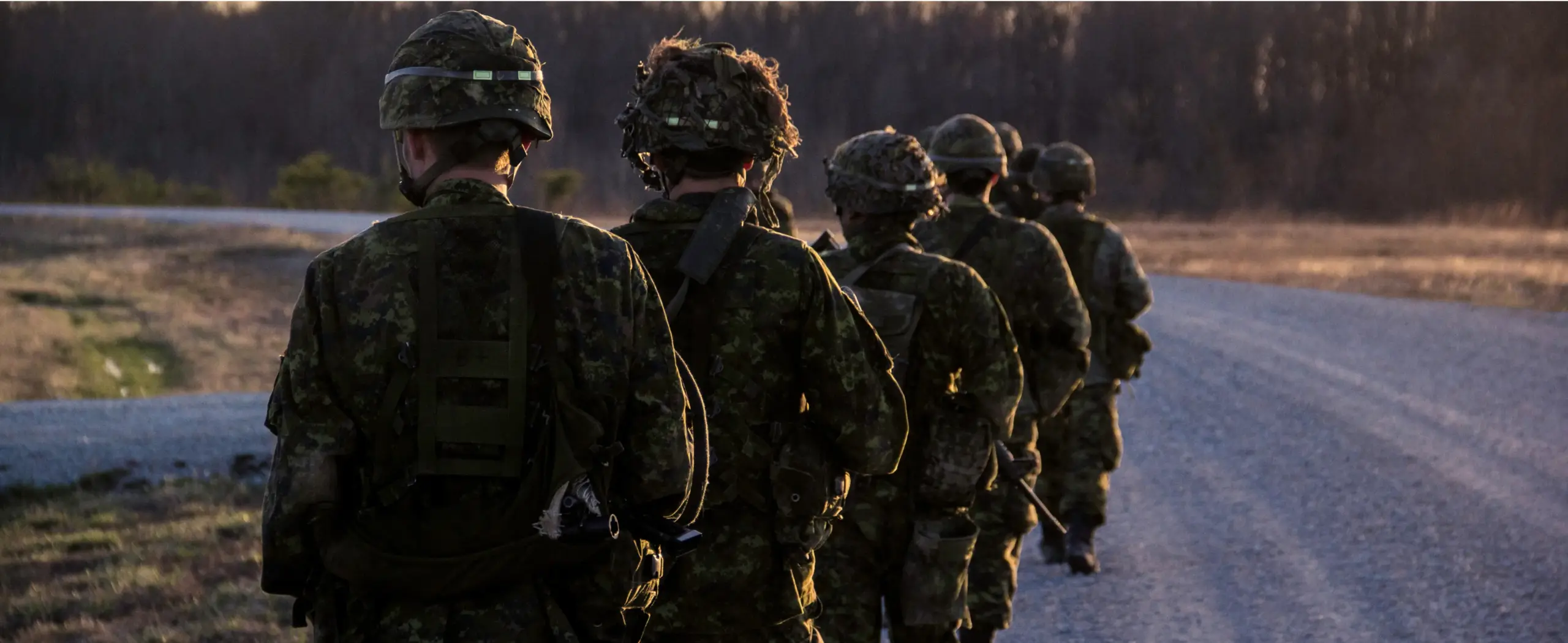
The long Canadian combat mission in Afghanistan broadened and deepened the trends apparent in the 1990s. The primary reserves provided about a quarter of the strength of each deployment. The operational tempo increased dramatically in this period. Over 60 Argylls served in Afghanistan, some for more than one tour. They were there at the beginning, and they were there at the end in July 2011 (the last Argyll posted there returned in late July on one of the last flights out).
The Most Recent Page in the Book of Argyll History
During two world wars, NATO and UN missions, and Afghanistan, Argyll families waited anxiously for their sons and their daughters to return home safely. In far too many cases, it did not happen, and it fell to the Regimental family – including a critical role played by the Women’s Auxiliary – and the community to provide solace for the loved ones of the fallen.
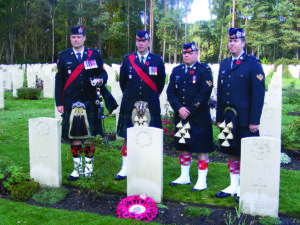
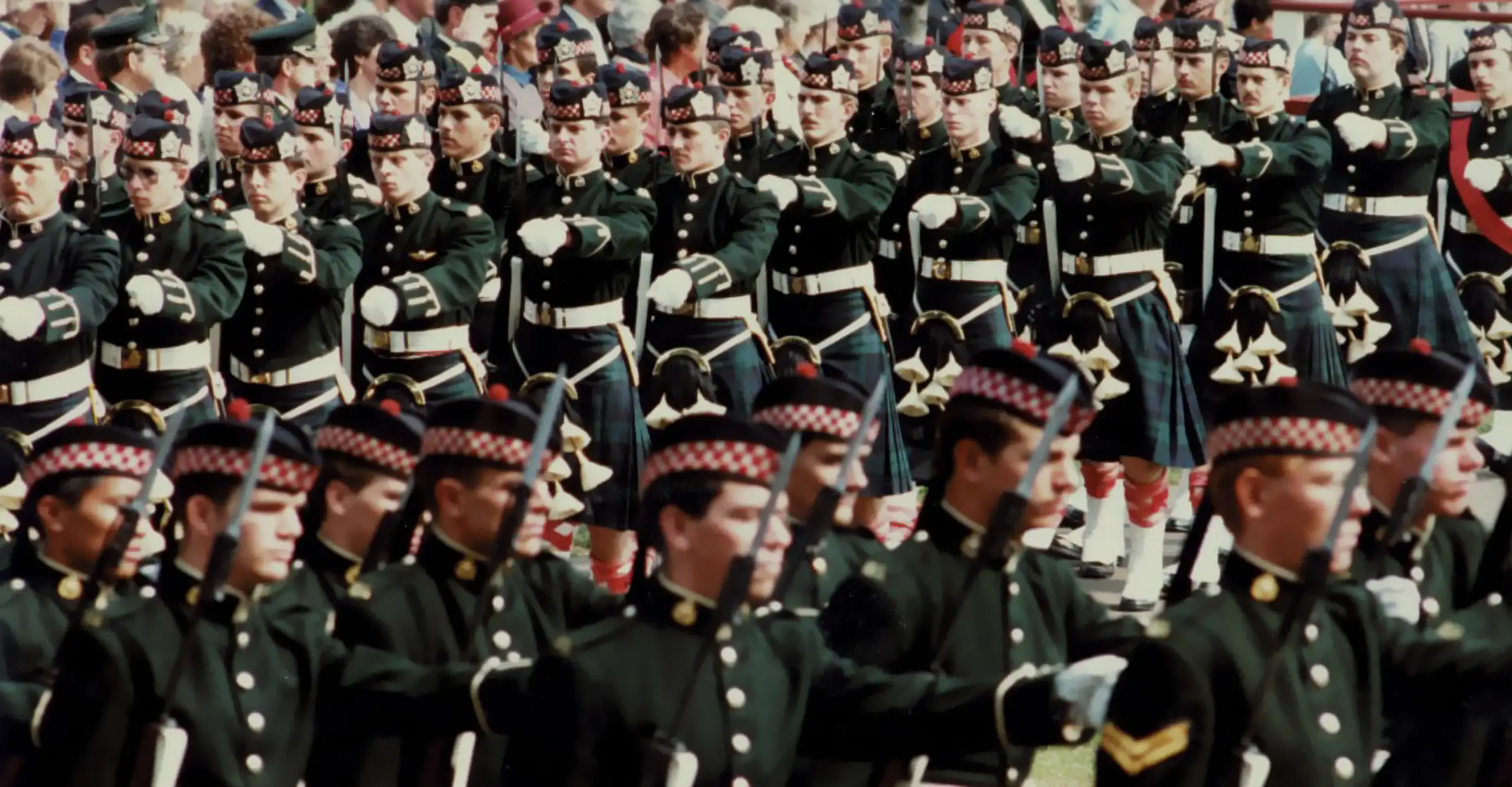
Regular training, no matter how hard, does not give rise to such concern. Argylls return tired, dirty, hungry, and, satisfied (most of the time at least). Part of Argyll soldiering from the Regiment’s first parade in kilts in 1904 has been ceremonial; it is an important means of representing the Regiment, its service, its traditions, and the Canadian principles it embodies in the community. Kilted Argylls have done so, in peace and in war, since 1904. Thus, 110 years later, the service of Cpls Nathan Cirillo and Brandon Robertson at the Canadian War Memorial and the Tomb of the Unknown Soldier in our nation’s capital were but the latest manifestations of a fine and honourable tradition. On Wednesday, 22 October 2014, Cpl Cirillo was murdered while standing vigil – kilted, respectful, and unarmed – as part of the Ceremonial Guard at these splendid memorials as Canada prepared for Remembrance Day.
Recent Deployments
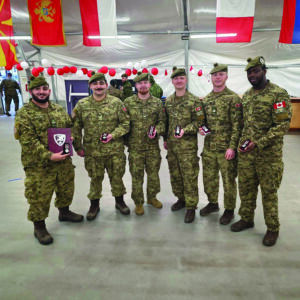
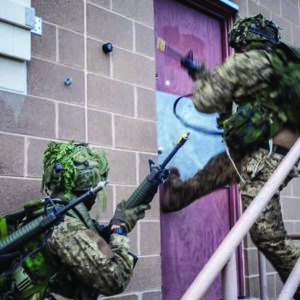
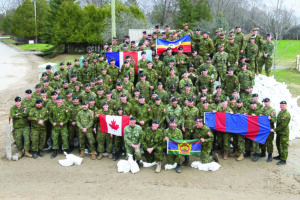
Argylls have volunteered to serve on three overseas deployments since 2015: 9 Argylls on Op UNIFIER (2015-25), the mission to bolster the fighting capabilities of the Armed Forces of Ukraine; 9 on Op REASSURANCE, the NATO troop commitment in Latvia; and 16 on Op IMPACT (2014-25), Canada’s military contribution in the Middle East.
Domestically, the battalion contributed a platoon and headquarters to Op LENTUS (the Canadian Armed Forces’ response to natural disasters; a platoon and headquarters to Op LASER (the CAF’s response to the COVID-19 pandemic), and a headquarters to Op PROVISION (the CAF’s part in resettling some 25,000 Syrian refugees in 2015–16).
There will be more overseas deployments in the future. DND expects that the reserves will contribute 20%. At the domestic level, the CAF reports that its “involvement in response to natural disasters has broadly doubled every five years since 2010. This does not include the 118 requests for assistance received … in response to the pandemic.”
Soldiering in the Primary Reserves
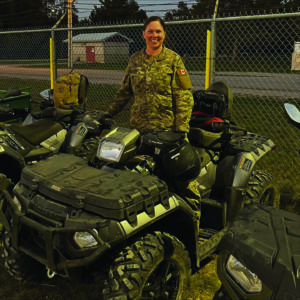
Winston Churchill famously called the reservist “twice the citizen.” Soldiering is a profession, the profession of arms. Reserve soldiering represents a full-time commitment on a part-time basis. Reservists across the rank structure organize and reorganize their lives (personal, family, and occupation) to ensure administrative continuity of effort and training. And for 120 years that commitment has been supported by Argyll families, Argyll employers, and the greater community of Hamilton.
But there is more to the Regiment than its great symbols, the kilt and the pipes. Service and sacrifice have always been at the core of the Regiment’s existence. Since 1903, thousands and thousands of men and women from the Hamilton area have annually devoted several weeknights and weekends to train as the primary reserves of this nation’s armed forces. The lure of the profession of arms, a sense of duty, the intense camaraderie, and the need for extra income explain, in part or in combination, the attraction to the Regiment.
For 123 years, scores of dedicated officers and NCOs have provided the cadres that are so essential to continuity of effort and maintenance of excellence as the Regiment suffered or prospered according to the dictates of fluctuating, sometimes wildly so, government policies. Their dedication has provided the framework for Argyll service in two world wars, civil emergencies, and the augmentation by Argylls of UN and NATO deployments overseas. In the years after the Second World War, there were few opportunities for overseas service by the militia. That changed somewhat in the 1970s, changed more in the 1990s, and changed completely in the 2000s.
The Argyll tradition is best defined by its greatest leader, Lt-Col J. David Stewart, DSO, ED, who said, “I figured my battalion was there to save lives, get a job done.” This terse and quintessentially Canadian epithet characterizes Argyll leadership and style. And for 123 years they have done just that!
Robert L. Fraser
Regimental Historian